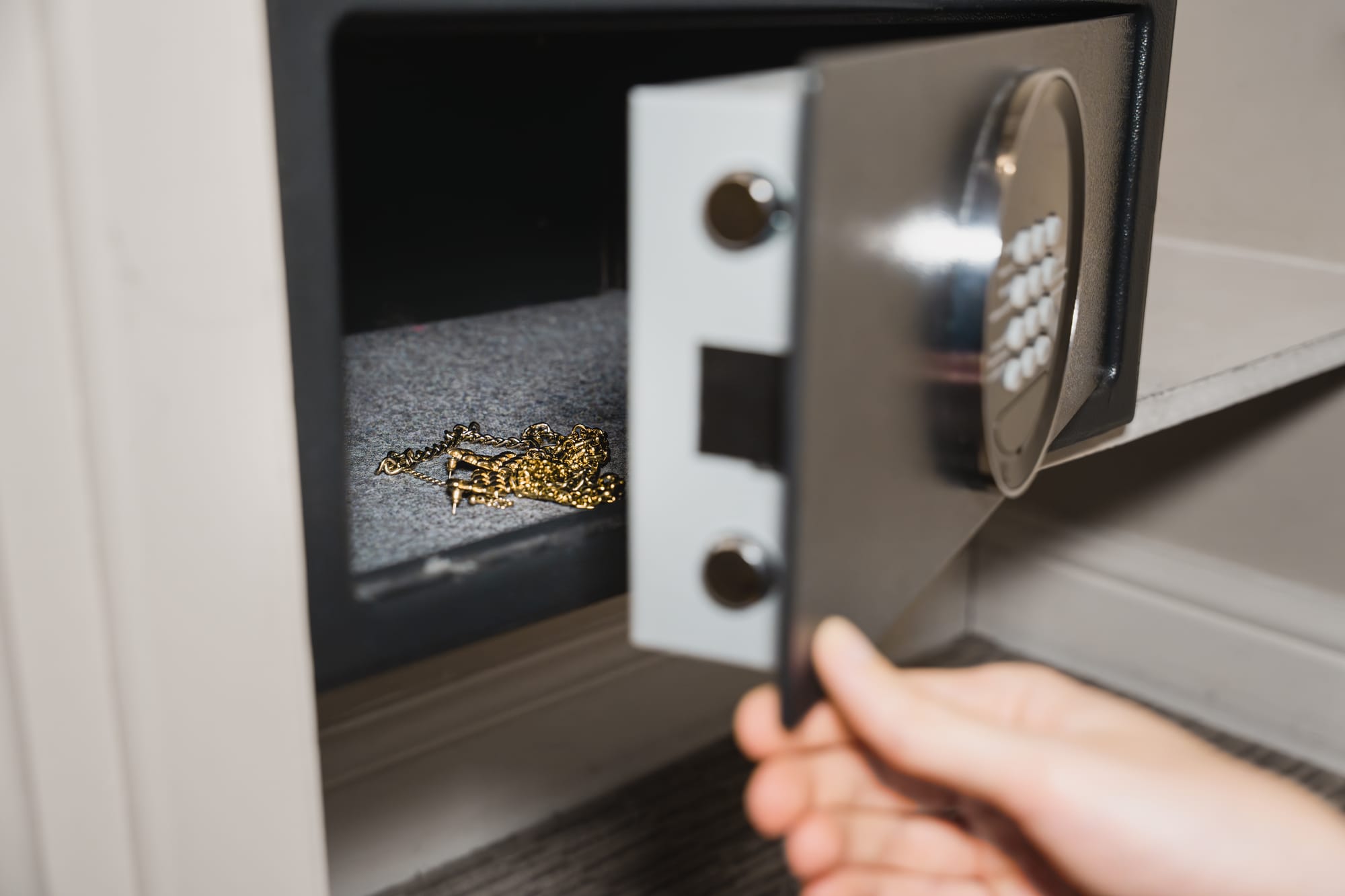
Protect What Matters Most - And Avoid the “Home Storage Mistake” That Costs Australians Millions**. Learn our Top 10 Items You Should Store in a Safe Deposit Box in this helpful article. Most Australians underestimate the value of what they keep at home. Jewellery,....
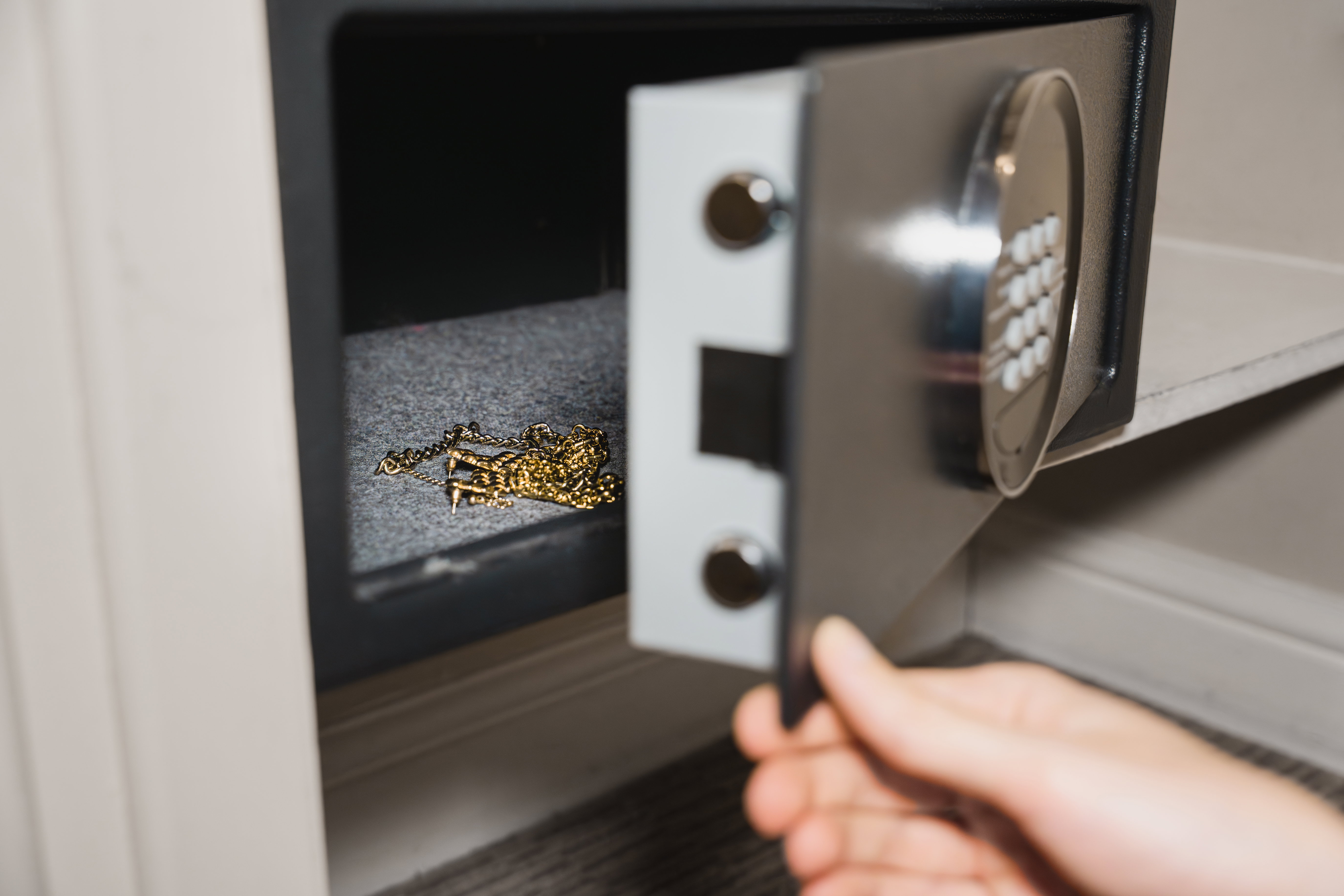
Protect What Matters Most – And Avoid the “Home Storage Mistake” That Costs Australians Millions. Learn our Top 10 Items You Should Store in a Safe Deposit Box in this helpful article.Most Australians underestimate the value of what they keep at home. jewellery, bullion, passports, legal documents, crypto wallets, wills, backups — items that are difficult or impossible to replace.But here is the truth:A home is the worst place to store your most important assets.Insurers limit coverage.
Thieves target valuables.
Fires destroy documentation.
Floods wipe out sentimental items.
Home safes get stolen or fail under heat.That’s why more Australians are turning to private safe deposit boxes to store irreplaceable valuables in a secure, insured, flood-free environment.This guide reveals the Top 10 Items You Should Store in a Safe Deposit Box — and why each item belongs offsite, not in your home.
1. Jewellery & Diamonds
(Your most frequently underinsured valuables)High-value jewellery is one of the MOST targeted items during burglaries.Insurers typically cap jewellery coverage at:
- $1,000–$2,500 per item
- $5,000–$10,000 total (unless items are individually listed)
Meaning:✔ A single engagement ring may exceed your entire jewellery limit.At PVA, jewellery is:
- protected inside a UL-rated safe deposit locker
- insured
- shielded from theft, fire and flood
- stored discreetly (exclusive keyholder access)
Jewellery storage at home is a top cause of denied insurance claims.
A private vault eliminates this risk.
2. Gold & Silver Bullion
(SMSFs, investors, and families all rely on secure custody)Gold and silver stored in a home safe are exposed to:
- fire
- flood
- theft
- insurance limits (many policies exclude bullion entirely)
Bullion stored in a private vault:
- is fully insured
- meets SMSF compliance
- avoids cash-style bail-in risk
- preserves documentation
- is protected by PVA’s flood-free engineering
Bullion should never be stored at home unless you are willing to lose it.
3. Important Legal Documents
(Wills, deeds, contracts, trust documents, share transfers)If your home burns or floods, these documents are gone forever — and replacing them may be:
- slow
- expensive
- legally complicated
- impossible (in some international cases)
Store the originals in a safe deposit box.
Keep certified copies at home.
Maintain digital backups on an encrypted USB in your locker.This is how lawyers, executors, and estate planners protect clients.
4. Passports & Identity Documents
(One of the fastest-growing targets for identity theft)Identity theft is the fastest-rising cybercrime in Australia.Criminals steal:
- passports
- birth certificates
- driver licences
- Medicare cards
- tax file documentation
A private vault ensures your identity cannot be compromised in a burglary.
5. Family Heirlooms & Sentimental Items
(Irreplaceable memories belong in irreplaceable protection)Heirlooms are:
- emotionally priceless
- impossible to replace
- frequently destroyed in fires
- often targeted in break-ins
A private safe deposit locker ensures these items survive any disaster.This includes:
- medals
- family jewellery
- historic documents
- vintage watches
- inherited bullion
- rare collectables
When something cannot be replaced, it belongs in a vault.
6. Cash Emergency Reserves (10–12 Weeks)
(A smart strategy for bank outages, cyberattacks, and crisis events)Following global and Australian consumer protection guidelines, many experts recommend:✔ 10–12 weeks of living expenses in physical cash.Why?Because during events like:
- bank outages
- payment network failures
- cyber incidents
- system freezes
- natural disasters
- liquidity restrictions
Cash gives you autonomy.A private vault is the safest way to hold it — away from home theft and fire risk.
7. Crypto Hardware Wallets & Seed Phrases
(The #1 weak point in otherwise strong crypto security)Many Australians secure their crypto keys…
by putting the seed phrase in a drawer.This is the most common cause of crypto loss.Inside a PVA locker, you can store:
- hardware wallets
- metal seed backups
- YubiKeys
- encrypted USB drives
- Faraday-protected devices (GoDark bags)
This creates air-gapped, offline security that hackers cannot breach.
8. Insurance Documentation & Valuations
(The “proof of ownership” that determines your claim payout)After fire or burglary:❌ insurers will NOT pay for items you cannot prove existed.This documentation must be stored:
- offsite
- protected from home disasters
- accessible immediately during claims
A vault prevents both losses:
- the item
- and the documentation
This is how you protect yourself during an insurance claim.
9. Backup Hard Drives & Business Data
(Offsite redundancy is essential — one copy at home is not enough)Your digital life needs three layers:1️⃣ A working copy
2️⃣ A home backup
3️⃣ An OFFSITE backup in a safe deposit boxFloods, fires and thefts often destroy:
- computers
- home safes
- backup devices
- documentation
Without an offsite backup, many businesses never recover after catastrophic loss.Store:
- encrypted SSDs
- business financials
- family photo archives
- crypto wallet backups
- important digital files
This is best practice worldwide.
10. Rare Collectables & High-Value Items
(Cards, luxury watches, coins, artwork fragments, numismatics)These items:
- hold high market value
- appreciate over time
- are easily stolen
- often cannot be insured properly at home
Collectors globally use vaults to protect pieces like:
- rare coins
- currency
- graded cards
- collectable art
- vintage watches
- limited-edition items
A private vault ensures the condition and provenance remain intact.